Date & Time: 8th October 2025, 6:00 - 7:15 PM IST
Location: VMCC, IIT Bombay
With continuous innovations in digital health, AI-assisted technologies, biomaterials, and precision/personalized approaches to medicine, the field of biomedical science and healthcare is undergoing a rapid evolution. The impact of AI/ML, microrobotics, wearable sensing devices, and gene editing/CRISPR has transformed the biomedical landscape - from accelerating the discovery of novel drug molecules to enabling real-time, in vivo diagnostics and the development of precise drug delivery systems and regenerative therapies. This panel brings together renowned researchers in the field of medicinal chemistry, toxicology, infectious diseases, biosensors, and nanomedicine, who also serve as Editors-in-Chief/Editors of leading ACS journals in these fields, in a conversation on the current state-of-the-art in biomedical research and healthcare, and related challenges. Together they will explore how the field of medicinal chemistry is continuously evolving, highlighting how adoption of these technologies enables the rapid design and optimization of novel therapeutic molecules. The panel will also discuss recent advances in biosensing technologies for real-time, in vivo diagnostics and monitoring, as well as shed light on the major challenges in their widespread implementation in clinical/real-world settings. The discussion will further delve into cutting-edge approaches in predictive modeling, molecular docking and sensor-data fusion, as well as toxicity profiling and examine how these innovations are accelerating the path from molecules to medicine.
Target Audience:
Researchers, industry experts, and science enthusiasts interested in the rapidly evolving field of biomedical sciences, medicinal chemistry, pharma, toxicology and nanomedicine
-Panelists-
Justin Gooding
Editor in Chief: ACS Sensors
Scientia Professor University of New South Wales, Australia

Biography:
Justin Gooding is known for his work on surface modification, biosensors, developing functional nanomaterials, cell based diagnostic devices and electroanalysis. His approach to research is to identify systems where highly controlled molecular modification of surfaces can provide new knowledge and new, better performing, devices. This quest has led to significant contributions and conceptual advances in (a) biosensing research including concepts now incorporated into commercial biosensors, (b) understanding electron transfer near surfaces, (c) the interactions of cells with man-made materials and how to control those interactions, and more recently to (d) cell based sensing devices that can not only provide cell-chips that can monitor the effect of drugs or toxins but provide fundamental knowledge on the heterogeneity between individual cells.
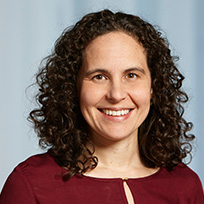
Shana J. Sturla
Editor in Chief: Chemical Research in Toxicology
Professor of Toxicology in the ETH Zurich
Department of Health Sciences and Technology, Switzerland
Biography:
Shana's research in the ETH Laboratory of Toxicology is concerned with the chemical basis of mutagenesis and toxicity. Various projects at the interface of chemistry and biology aim to delineate relationships between chemical structures, enzyme-catalyzed chemical transformations, and cellular responses to environmental and dietary toxicants and cancer drugs. Particular interests lie in factors influencing susceptibility to DNA-alkylating agents and food-relevant exposures. Broad impacts of the knowledge and tools resulting from this work are intended to improve human health by impacting chemical risk assessment and disease prevention, as well as precision medicine strategies.
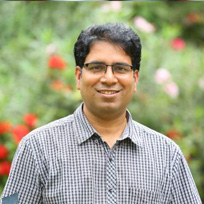
Jayanta Haldar
Editor in Chief: ACS Infectious Diseases
Distinguished Professor,
New Chemistry Unit and School of Advanced Materials, Jawaharlal Nehru Centre for Advanced Research, Bangalore, India
Biography:
Dr. Haldar's research spans across the areas of medicinal chemistry, chemical biology and biomaterials, with an overarching goal of preventing antimicrobial resistance and the associated infections. His group has contributed significantly towards engineering novel multifunctional therapeutic strategies and smart biomaterials. They have developed semisynthetic antibiotic derivatives, pioneering membrane-perturbing therapeutics, and formulating generic adjuvant-based synergistic strategies. These advancements have proven effective in combating infections caused by pathogenic bacteria, fungi and viruses, as well as reducing infection-associated inflammation. In addition to therapeutics, his research extends to the development of smart biomaterials which aid in preventing the spread of infectious diseases, promoting wound healing and offering effective treatment options for infections.
Sunanda Chatterjee
Associate Editor: Journal of Medicinal Chemistry
Associate Professor, Department of Chemistry, IIT Guwahati, India

Biography:
Sunanda's research interests are in the design, synthesis, conformations, self-assembly and biological properties of novel peptides. Studies in her research group are intended to enhance basic understanding of the correlations between structures and properties/functions of these peptides. Her research uses a variety of experimental techniques including organic synthesis of new amino acids, solution and solid phase peptide synthesis, low and high resolution spectroscopic methods, electron microscopic methods, biophysical and biochemical tools and cell based biological assays.
-Moderator-
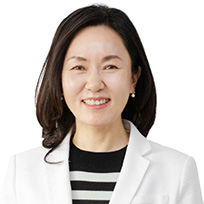
Sun Choi
Associate Editor: ACS Medicinal Chemistry Letters
Professor at the College of Pharmacy and Graduate School of Pharmaceutical Sciences, Ewha Womans University, Seoul, Korea
Biography:
Dr. Sun Choi's research focuses on the state-of-the-art technologies of computer-aided drug design, cheminformatics, computational medicinal chemistry, and biomolecular simulations. Based on these computational methods, she has been conducting multiple research projects targeting therapeutically important enzymes, G protein-coupled receptors, and ion channels. Active interdisciplinary collaborations are on-going for drug discovery in various diseases such as cancer, virus, pain, cardiovascular disease, osteoporosis, etc.